
Popular Foundation Repair Materials To Strengthen Foundations
Select from top foundation repair materials that provide durability and long-term support for your home’s stability.
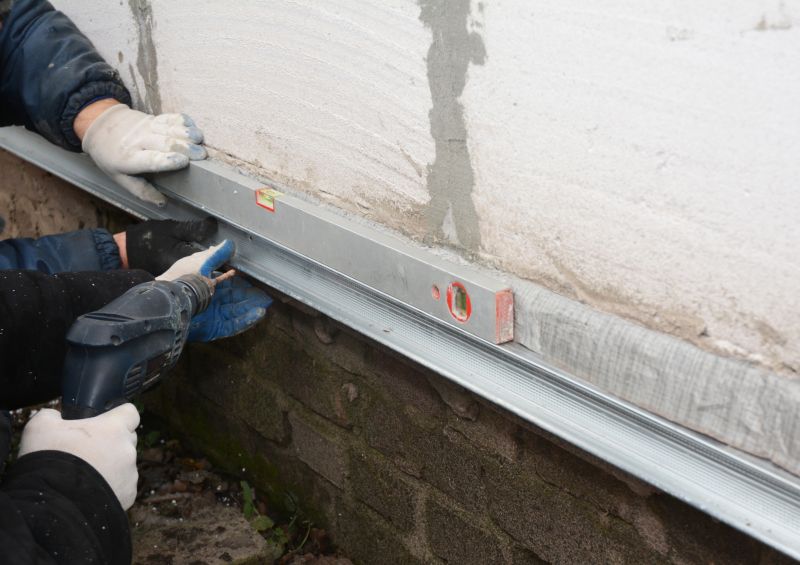 Foundation repairs are a critical aspect of maintaining the structural integrity of a building, especially in areas like Lafayette, IN, where soil conditions and weather patterns can influence foundation stability. Various products are available to address issues such as settling, cracking, or shifting foundations, each designed to serve specific needs and conditions. Selecting the right repair products requires understanding the nature of the problem, the type of foundation, and the long-term goals for stability and safety.
Top Overall Option
Pier and Beam Support System
A pier and beam support system is a versatile foundation reinforcement method that involves installing concrete or steel piers beneath the existing foundation to provide additional stability. This approach can be effective for homes experiencing uneven settling or minor shifting, offering a way to lift and stabilize the structure. Properly designed and installed pier and beam systems can help distribute weight more evenly and prevent further movement, contributing to long-term stability.
Types of Products For Foundation Repairs
Push Piers
Push piers are steel supports driven into the ground beneath the foundation to lift and stabilize it. They are suitable for addressing settling issues caused by soil movement.
Helical Piers
Helical piers are screwed into the soil to provide a stable foundation base, often used when soil conditions are challenging or when minimal disturbance is desired.
Mudjacking and Slab Jacking
This technique involves injecting a slurry mixture beneath a concrete slab to lift and level it, often used for driveways and sidewalks.
Underpinning Systems
Underpinning involves extending the foundation to a more stable soil layer, often using concrete or steel supports, to correct settling or shifting.
Soil Stabilization Materials
These products improve ground conditions around the foundation, reducing the risk of future movement caused by soil expansion or contraction.
Carbon Fiber Reinforcement
Carbon fiber strips are applied to crack-prone areas to reinforce and prevent further cracking in foundation walls.
Epoxy Injection
Epoxy resins are used to fill cracks in concrete walls and slabs, restoring structural integrity and preventing water intrusion.
Foundation Repair Anchors
Anchors secure foundation walls that are bowing or leaning, helping to straighten and stabilize them.
Grout and Sealants
These materials seal cracks and gaps to prevent water infiltration and further deterioration.
Drainage Solutions
Products such as French drains and sump pumps help divert water away from the foundation, reducing soil pressure and moisture issues.
Foundation Bolts and Brackets
These hardware components are used to secure and reinforce existing foundation structures.
Concrete Patching Materials
Used for repairing surface cracks and surface-level damage to concrete slabs and walls.
Popular Choices
A common choice for stabilizing sinking foundations, push piers are favored for their strength and durability.
Often selected for their ease of installation and suitability for various soil conditions.
Popular for leveling concrete slabs without extensive excavation.
Widely used for sealing cracks and restoring structural integrity in concrete walls.
Chosen for its non-invasive application and effectiveness in crack stabilization.
French drains and sump pumps are frequently installed to manage water flow around foundations.
Commonly used to reinforce and secure foundation walls and structures.
Popular for addressing significant settling by extending foundation depth.
Used to improve ground conditions and reduce future movement.
Frequently used for surface repairs to concrete slabs and walls.
Help reinforce and stabilize foundation components.
Applied to cracks and joints to prevent water infiltration.
Installed to remove water accumulation that can undermine foundation stability.
Common foundation repair products include underpinning systems, which reinforce the existing foundation, and stabilization solutions that prevent further movement. These products are often used in conjunction with soil stabilization materials to improve ground conditions around the foundation. Proper installation and compatibility with the existing structure are essential to ensure effective results.
For homeowners and contractors in Lafayette, it is important to choose products that are durable, easy to install, and suitable for the local soil and climate conditions. While some products may be suitable for DIY repairs, others require professional installation to ensure safety and effectiveness. Consulting with foundation repair specialists can help determine the most appropriate solutions for specific issues.
Investing in quality foundation repair products can extend the lifespan of a building and help prevent more costly repairs in the future. Understanding the different product options and their applications can facilitate informed decision-making, leading to safer, more stable structures that withstand the test of time and weather.
Key Buying Considerations
- Assess the specific foundation issue to determine the appropriate product type.
- Consider the soil conditions and how they influence foundation stability.
- Evaluate whether professional installation is recommended or if DIY options are feasible.
- Check the compatibility of repair products with your existing foundation materials.
- Prioritize products made from durable, high-quality materials suited for long-term use.
- Review the size and scope of the repair project to select appropriately rated products.
- Determine if water management solutions are necessary to prevent future issues.
- Understand the installation process and whether it requires specialized tools or expertise.
- Research warranties or guarantees offered with the products for added peace of mind.
- Consider the environmental conditions, such as moisture levels and temperature fluctuations.
- Factor in the cost-effectiveness and long-term value of the repair solutions.
- Consult with foundation repair specialists for tailored recommendations.
- Review product reviews and ratings to gauge reliability and effectiveness.
- Ensure safety standards are met, especially for structural supports and underpinning systems.
- Plan for maintenance or inspection schedules to monitor foundation health over time.